
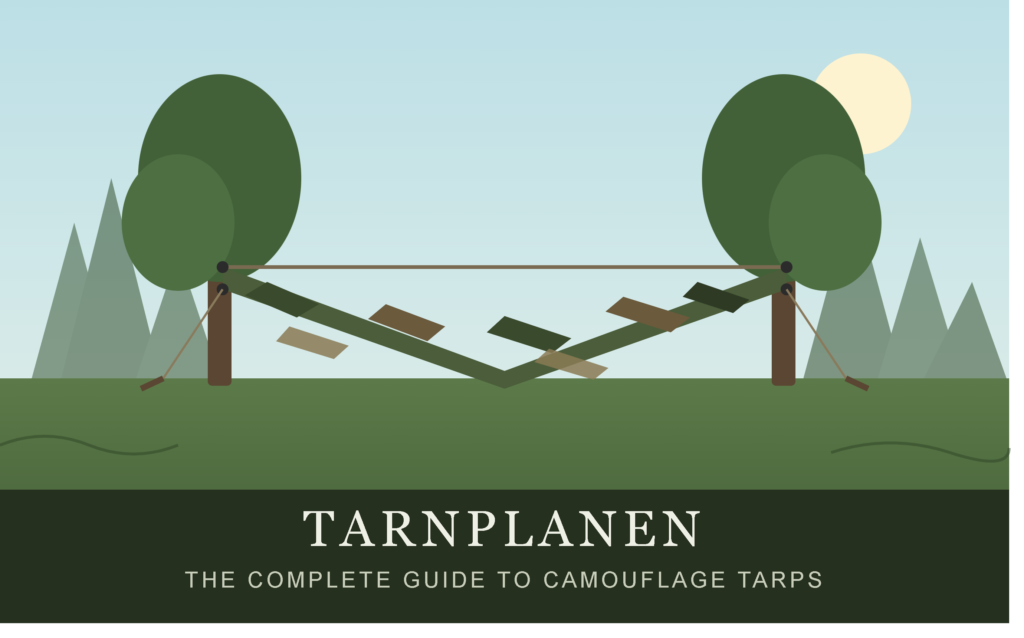
What Is Tarnplanen? Meaning and Origin
If you’ve stumbled across the word “Tarnplanen” while shopping for outdoor gear, the first thing to know is that it isn’t a brand name or a piece of software — it’s a German compound word. It combines Tarn (short for Tarnung, meaning “camouflage” or “concealment”) with Planen (the plural of Plane, meaning “tarp” or “tarpaulin”). Put together, Tarnplanen simply means “camouflage tarpaulins.”
In practice, the term refers to a category of product: heavy-duty, weather-resistant sheeting printed or dyed in camouflage patterns, used to cover, shelter, or conceal people, vehicles, and equipment. You’ll see the word most often on German and European outdoor and military-surplus retail sites, but the tarps themselves are sold worldwide under names like “camo tarp,” “camouflage tarpaulin,” or “military tarp.”
This guide covers what Tarnplanen are made of, how they’re used, what to look for when buying one, and how to set one up correctly — whether you’re outfitting a campsite, protecting garden equipment, or covering a vehicle.
A Short History of the Camouflage Tarp
Camouflage as a military discipline took shape during the twentieth century, as armies realized that concealing troops, vehicles, and encampments from both ground and aerial observation had real tactical value. Early covers were typically heavy canvas, dyed in flat earth tones rather than printed with the layered, disruptive patterns we associate with camouflage today.
As synthetic materials became available, manufacturers moved away from canvas toward lighter, more water-resistant woven fabrics. Camouflage patterns themselves became more deliberate — designed not just to match a color palette but to break up the visual outline of an object, making it harder for the eye (or a camera) to identify a defined shape at a distance.
Military surplus from this evolution eventually made its way into civilian markets. Campers, hunters, farmers, and outdoor workers found that a durable, weatherproof cover that also happened to blend into its surroundings was useful well beyond a battlefield — and that’s largely how Tarnplanen became a mainstream outdoor product rather than a strictly military one.
What Tarnplanen Are Made Of
Not all camouflage tarps are built the same way, and the material has a big effect on weight, durability, and price. The most common options are:
Polyethylene (PE). Woven PE tarps are lightweight, affordable, and widely used for general-purpose covering. They handle rain well but are less abrasion-resistant than heavier fabrics.
PVC-coated fabric. A polyester or canvas base coated in PVC offers strong waterproofing and durability, at the cost of extra weight. This is a common choice for tarps that will sit outdoors for extended periods.
Ripstop nylon or polyester. These fabrics use a reinforced weave that prevents small tears from spreading, which is useful for tarps that get packed, unpacked, and pitched repeatedly — a typical pattern for camping and bushcraft use.
Canvas. Traditional canvas tarps are heavier and can absorb moisture if untreated, but many users still prefer the feel and rugged durability of canvas for stationary applications like woodpile or equipment covers.
Beyond the base material, quality tarps typically include reinforced, double-stitched hems and metal grommets spaced along the edges, which allow the tarp to be tied down securely with rope, paracord, or bungee cords without tearing.
Camouflage Patterns and When to Use Them
The pattern isn’t just cosmetic — it’s meant to match the environment where the tarp will be used. Common patterns include:
- Woodland — greens, browns, and black, suited to forests and dense vegetation
- Desert — tan, beige, and sandy tones for arid, open terrain
- Urban/digital — grays and blacks, sometimes in pixelated blocks, for city or concrete environments
- Snow/winter — predominantly white, sometimes with gray accents
Choosing a pattern that doesn’t match your setting will noticeably reduce its effectiveness — a woodland-pattern tarp against sand or snow will actually stand out more than a plain neutral color would.
Practical Uses of Tarnplanen
Camping and Bushcraft
A camouflage tarp is a lightweight alternative or supplement to a tent. Strung between two trees along a ridgeline, it can form a lean-to shelter; laid flat, it works as a groundsheet to keep gear and sleeping areas dry.
Hunting and Wildlife Observation
Hunters and wildlife photographers use Tarnplanen to build blinds or hides, reducing the chance of being spotted by animals with sharp color and motion perception.
Vehicle and Equipment Covers
A camouflage tarp can be draped over parked vehicles, ATVs, or stored equipment to shield them from sun and rain while making them less conspicuous — a common approach among overlanders and off-grid travelers.
Gardening and Home Storage
Away from tactical use altogether, camouflage tarps are commonly sold for covering firewood stacks, garden equipment, and outdoor furniture, where their main appeal is simply durability and weather resistance at a reasonable price.
Military and Airsoft Applications
The original use case persists: armed forces and airsoft players still use camouflage tarps to conceal equipment, vehicles, and observation positions from both ground-level and aerial view.
Key Features to Look For
When comparing Tarnplanen, a few practical features separate a mediocre tarp from one that will hold up over time:
- Waterproof rating or coating — PU or PVC coatings are common indicators of water resistance
- Reinforced grommets — metal eyelets, evenly spaced, for secure tie-downs
- Double-stitched or taped seams — reduces the chance of leaks or tearing along the hems
- Denier rating (for nylon/polyester tarps) — a higher denier generally means a thicker, more abrasion-resistant fabric, though it also adds weight
- UV resistance — prolonged sun exposure degrades untreated fabric over time, so UV-stabilized materials last longer outdoors
How to Set Up a Tarnplanen Shelter
- Choose your anchor points. Two sturdy trees, posts, or vehicle mounts spaced to match your tarp’s dimensions.
- Run a ridgeline. Tie a rope between the two anchor points at the height you want the peak of your shelter.
- Drape the tarp evenly. Center it over the ridgeline so both sides hang down with roughly equal coverage.
- Stake the corners. Pull each corner taut and secure it to the ground through the grommet using a stake or peg.
- Tighten guy lines. Adjust tension on all sides to remove sagging or wrinkles, which helps rain run off rather than pool.
- Adjust for wind. In strong wind, pin one side directly to the ground on the windward side, and prop the opposite side up with a pole to create a combined windbreak and roof.
For concealment specifically, breaking up the tarp’s outline with natural material — branches, leaves, or loose dirt along the edges — helps it blend in more effectively than the pattern alone.
Common Mistakes to Avoid
Mismatching pattern to environment. A desert-tan tarp in a green forest is often more visible than a plain dark tarp would be.
Leaving the tarp loose. An improperly tensioned tarp flaps in wind, which both damages the material over time and can draw attention — the opposite of what a camouflage tarp is for.
Ignoring the denier or coating spec. Cheaper tarps often skip details like coating type or fabric weight; without that information, it’s hard to judge how it will actually hold up outdoors.
Overlooking local regulations. In some areas, certain camouflage patterns associated with active military use are restricted for civilian purchase or public display, and hunting regulations around blinds and concealment gear vary by state and by land type (public land, national parks, private property). Always check local rules before using camouflage gear in public or regulated spaces.
Where to Buy Tarnplanen
Camouflage tarps are sold by outdoor and camping retailers, military surplus stores (both physical and online), and general marketplaces. Because “Tarnplanen” is the German term, you’ll find the widest direct selection using that keyword on German and European retail sites, while English-language retailers typically list the same products as “camo tarp” or “camouflage tarpaulin.” When comparing listings, prioritize retailers that specify material, coating, denier, and grommet spacing rather than relying on marketing language alone — that’s the information that actually predicts how the tarp will perform.
Tarnplanen vs. a Standard Tarp: Quick Comparison
| Feature | Standard Tarp | Tarnplanen (Camo Tarp) |
|---|---|---|
| Primary purpose | Weather protection | Weather protection + visual concealment |
| Color/pattern | Solid, often bright (blue, orange) | Multi-tone camouflage pattern |
| Typical materials | PE, basic polyester | PE, PVC-coated fabric, ripstop nylon, canvas |
| Common users | General household/construction use | Campers, hunters, military, overlanders |
| Visibility in natural settings | High | Low, when pattern matches environment |
Frequently Asked Questions
What does Tarnplanen mean in English? It translates literally to “camouflage tarpaulins,” from the German words Tarn (camouflage) and Planen (tarps/covers).
Is Tarnplanen a brand or a product category? It’s a general product category, not a single brand. Many manufacturers and retailers produce and sell camouflage tarps under this term, particularly in German-speaking markets.
What is Tarnplanen made of? Most commonly polyethylene, PVC-coated polyester or canvas, or ripstop nylon, often finished with reinforced hems and metal grommets.
Can I use a Tarnplanen tarp for camping? Yes. They’re commonly used as improvised shelters, rain flies, and ground covers, in the same way any weatherproof tarp would be used — with the added benefit of a low-visibility pattern.
Are camouflage tarps legal to buy and use? In most places, yes, for general outdoor and civilian use. However, rules can vary by region, particularly around military-pattern items and camouflage use while hunting on regulated land. Check local laws before purchasing or using one in a restricted or public setting.
How do I choose the right camouflage pattern? Match the pattern to where you’ll primarily use the tarp: woodland for forests, desert/tan for arid or sandy terrain, white/gray for snow, and urban gray/black tones for concrete or city environments.
What size Tarnplanen do I need? This depends entirely on your use case — a groundsheet or gear cover can be relatively small, while a vehicle cover or multi-person shelter tarp needs to be sized to what you’re covering, with extra material to allow for tie-down angles.
More Information: DigitalHiTech